


 By
By Every organisation has its own favourite slogan. And HR, human resources, is not protected from this. Maybe the most buzzworthy of buzzwords for every HR specialist is people analytics.
Nonetheless, the idea is usually thrown around plenty in HR groups for plenty of good reasons. It is essential for every business to achieve success in the future.
People analytics in HR is the process of leveraging workforce data to inform and improve decision-making among employees.
Moreover, it goes far beyond the fundamentals of human resource reporting to provide insights that drive improvements in workforce planning and boost performance. And hence create a high-performance culture in the organisation.
For HR professionals and HR managers, accepting data-driven decision-making is no longer optional. However, it is imperative to strengthen the HR function as a strategic partner. And they can easily tackle workforce problems successfully by using evidence-based solutions.
Let’s go into more detail about HR analytics in the next section.
What Is People Analytics?
Wondering what people analytics is in HR?? A data-driven approach to human resource management is called people analytics. In this situation, the data utilised must be genuine and up to date. To put it another way, Workforce Analytics is a data-driven method of managing employees.
Analytics were used to address people-related issues in recruiting, performance management, pay, retention, etc.
As per the research published at Harvard University, it says, People analytics will largely focus on human resources data, which consists of two types.’’
Specific facts remain unchanged. For instance, job history, gender, and ethnicity.
Purpose
The primary goal of people analytics is to take a data-driven approach to human resources, leveraging employee data to improve organisational performance, optimise talent management, and improve the entire employee experience.
Once raw labour data is converted into usable insights, management can make more informed, objective business choices about recruiting, retention, productivity, and future workforce planning.
Evolution from Traditional HR Reporting
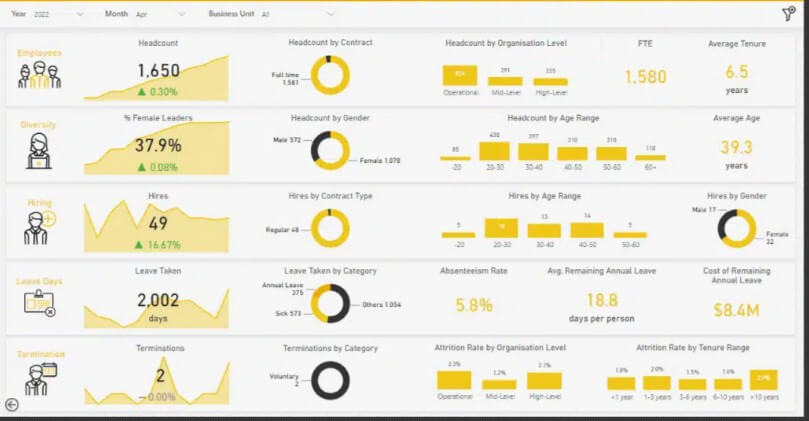
The evolution of Human Resource Analytics from traditional record-keeping to new analytics signifies a fundamental change in how firms observe and manage their workforces.
- The Initial Days-The early wave of HR metrics aimed on simple procedures like headcount, turnover rates, and the time to hire. On the other hand, these metrics mostly offered reflective views on the early days.
- The Change to sophistication: In the past, the rise of cloud-based HR systems, machine learning, and predictive analytics has hastened the shift toward advanced people analytics. Presently, HR predicts trends, forecasts employee churn, and quantifies the long-term effects of programs.
- The Current Situation: As of today, people analytics is a strategic powerhouse. In addition to enabling real-time analytics and offering individual-level insights into employee engagement, performance, and potential. Also, it uses AI to spot new patterns in the workforce. CHROs now actively use data to inform company strategy rather than just respond to it.
How is People Analytics used in Human Resources?
People analytics uses data to optimise talent management, transforming human resources. HR departments analyse employee analytics to forecast churn, expedite recruiting, track performance, and bridge skill gaps. Whereas organisations can boost employee engagement, they can also guarantee equitable remuneration. And thus make more informed personnel choices that directly impact company performance by moving from gut feeling to data-driven insights.
Why People Analytics Matters in Modern HR
The latest HR Data Analytics reveal a significant shift toward a data-driven talent management approach. Main statistics underline that around 87% of firms leverage HR analytics to improve decision-making,
While 47% of HR leaders focus on the employee experience, over 70% of firms leverage AI in HR practices.
Since we are already in the middle of 2026, let’s reveal the obvious shift in how firms approach HR data analytics compared to 2024.
Below are the main reasons why Human resource analytics matter in contemporary HR.
- Data-driven decisions: Analytics removes prejudice and speculation from HR. Organisations can make fair decisions about promotions, pay, and workplace practices by monitoring metrics such as engagement and attrition rates.
- Workforce planning: To predict future talent requirements, organisations might examine historical trends, market circumstances, and company growth patterns. Hence, this enables businesses to identify skill gaps and create pipelines prior to serious personnel shortages.
- Talent management: HR may customise the employee lifecycle using data. Once evaluating career development and performance patterns, managers may build focused learning programs, enhance engagement, and limit attrition concerns
- Competitive advantage: Businesses that prosper in people analytics are much more likely to outperform their counterparts. People Analytics Tools enable businesses to retain top talent and swiftly adapt to shifting market conditions.
How HR Teams Use People Analytics
There are tons of Benefits of people analytics for organizations; it totally alters the way HR has been run in the past by replacing traditional guesswork with real, data-driven practices.
Once raw workforce data is converted into clear, plain, and meaningful insights, HR teams can work smarter. And make wise, unbiased choices that significantly impact firm culture and boost talent management.
In the long run, drive the whole business success.
1. Recruitment and Hiring
Instead of relying solely on resumes and gut instinct, HR leverages data to successfully discover and hire the right talent for the job.
- Candidate screening: To reduce manual review time, machine learning screens large application pools to match talent with job needs.
- Time-to-hire metrics: HR managers can monitor the number of days a position remains open, which helps identify interview-loop bottlenecks. And hence streamline the hiring process.
- Quality-of-hire analysis: Lastly, HR now compares different channels and interview questions, which may be better achieved by comparing a candidate’s pre-hire statistics with their actual first-year performance.
2. Employee Performance Management
The employee performance analytics data-driven reviews make sure assessments are objective, clear, and focus purely on growth.
- Productivity tracking: To avoid relying solely on visible desk hours, teams compare actual production and project completion rates against baseline targets.
- Goal achievement: HR managers can use real-time tracking to ensure individual milestones align with the company’s primary goals.
- Performance trends: Managers can use past data to conclude whether an employee is ready for a promotion or requires further assistance.
3. Employee Retention
Well, losing the company’s best performers is costly. That is why Predictive Analytics in HR enables firms to tackle stress and turnover before people hand in their notice or resignation letters.
Here is how people analytics improves employee retention.
- Turnover prediction: Early pointers of withdrawal, such as lower participation or lost goals, are underlined by algorithms.
- Flight-risk analysis: Based on internal trends and market changes, HR determines which teams or positions are most likely to depart.
- Retention strategies: Specific interventions are carried out where they will have the most impact, such as a flexible schedule or an altered salary.
4. Workforce Planning
Predictive analytics helps firms prepare for and organise for future market demands rather than constantly reacting to them.
- Staffing predictions: Staffing predictions utilise historical workload trends and company growth projections to guide hiring decisions.
- Skills Gap analysis: HR conducts skill gap analysis by comparing the help of comparing present team skills to future tech requirements to determine what needs to be created or purchased.
- Succession Planning: Data-driven succession planning identifies high-potential internal candidates, facilitating smooth leadership transitions before roles become available.
5. Learning and Development
Instead of using a checkbox to train employees, it must be an investment like buying a property. Hence, people analytics makes sure learning programs deliver real value.
- Training efficacy: L&D teams assess how much a particular course directly increases productivity or decreases errors on the job.
- Abilities assessment: To create individualised development plans, automated assessments compare employees’ technical and soft abilities.
- Employee growth tracking: HR professionals need to monitor how quickly individuals acquire new skills, which helps map out realistic internal career paths.
6. Diversity, Equity, and Inclusion (DEI)
Human resource analytics turns diversity aims from unclear cultural talking points into exceptionally quantifiable organizational benchmarks.
- Diversity metrics: HR leaders monitor current information on seniority, pay scales, and demographics across several divisions.
- Analysis of inclusion: HR conducts an analysis of internal promotion rates and survey mood data to determine whether or not all groups feel appreciated and supported
- Identification of bias: Lastly, hard data reveals hidden disparities in recruiting practices, pay changes, or performance review wording.
Key Benefits of People Analytics
Here are the matchless Benefits of People Analytics.
- Better hiring decisions: First of all, using HR analytics to map candidate traits to internal success measures minimizes bias and guesswork.
- Decreased employee turnover: Since analytics uncover early tiredness and flight concerns, HR may target retention efforts before employees resign.
- Increased productivity: It monitors real output during desk hours, shows process bottlenecks, and helps teams better manage resources.
- Improved employee experience: Utilizing sentiment data to uncover team needs can help leadership foster engagement and morale.
- Save money: Finally, it can streamline hiring, decrease turnover, and optimise scheduling, reducing unnecessary recruiting and running expenses.
Types of People Analytics
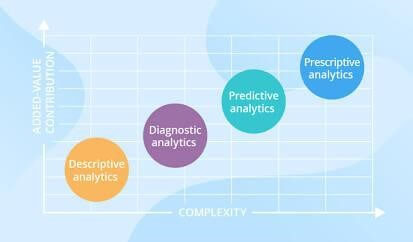
Here are the different kinds of people analytics.
1. Descriptive analysis
To answer “What happened?” in reverse, it consolidates departure rates, headcount, and diversity statistics into a comprehensive snapshot of the workforce for HR teams.
2. Diagnostic analysis
Diagnostic analytics probes “Why did it happen?” Data pattern and correlation analysis can trace the origin of workplace trends. Such as a turnover spike due to a management style or onboarding gap.
3. Predictive Analytics
It seeks to answer “What could happen next?” It uses statistical models and historical patterns to predict future events like top performers leaving or talent shortages.
4. Prescriptive Analytics
Finally, prescriptive analytics answers, “What should we do about it?” to provide the playbook.
Moreover, it synthesizes data from prior phases to propose specific benefit adjustments or personalized training programs to reduce attrition.
Popular People Analytics Tools
Plenty of HR teams own employee data by now. The issue is that it lives in disparate places, engagement surveys, performance reviews, HRIS platforms, payroll reports, spreadsheets, and dashboards that no person examines constantly.
Which is why HR managers and leaders are having a hard time answering foundational workforce questions like, ” Why are employees leaving the company? Which teams are detached? Where are skills gaps rising?
This is where HR analytics tools assist HR teams in engaging employee data, spotting patterns, and tracking workforce trends. And hence they can make wise choices.
I did my own research and found the Best people analytics tools for HR teams. These are as follows.
- Workday: A single cloud platform for real-time talent and workforce analytics.
- SAP SuccessFactors: This tool runs global HR, talent tracking, and predictive workforce planning for businesses.
- Visier: A fast analytics platform for integrating HR systems, identifying retention concerns, and tracking diversity.
- Tableau: Tableau lets you build dynamic workforce dashboards with extensive customization.
- Microsoft Power BI is a scalable business intelligence application that generates unique HR reports.
- Oracle HCM: AI-powered global talent management and operational tracking in the cloud.
Real-World Examples of People Analytics
Below are the top three Examples of people analytics in the workplace.
- Recruitment optimization- recruitment funnel tracking is a notable HR analytics use case. HR departments can identify hiring bottlenecks by examining time-to-fill, cost-per-hire, and offer acceptance rates. Whereas predictive HR analytics can identify interview-to-offer delays, enabling recruiters to act early.
- Employee engagement measurement: Employee engagement surveys normally create surface-level insights. However, once HR connects with performance data, they become a goldmine. So, once connected, survey scores, project results, and collaboration metrics, HR teams can easily crack disengagement hotspots prior to HR teams being assigned.
- Performance Forecasting- Finally, the last example of HR analytics is Google’s ‘Project Oxygen’. It analyses massive performance reviews, management assessments, and feedback surveys. Built on this data, they found that HR managers and teams directly increase team productivity and retention.
Frequently Asked Questions
What is people analytics in HR?
People in HR analytics are involved in collecting, analyzing, and interpreting worker data. As an alternative to solely depending on intuition, this data-driven strategy helps HR managers optimize workforce management, make better talent decisions, and align HR with business goals.
What are the benefits of people analytics?
The best benefits of HR analytics are Better hiring decisions, Reduced employee turnover, Improved productivity, Enhanced employee experience, and Cost savings
What tools are used for people analytics?
The top tools used in HR analytics, such as Workday, SAP SuccessFactors, Visier, and Tableau
How does people analytics improve employee retention?
People analytics detects “flight risk” to improve retention. Algorithms can identify departing employees by analyzing historical variables, including time since promotion, income relative to market rates, commuting distance, and manager shifts. This lets HR provide spot prizes or career talks before an employee quits.
Is people analytics the same as HR analytics?
While these two terms are used interchangeably, they are both different from each other.
Conclusion
At its core, people analytics transforms HR from a basic record-keeping function to a strategic powerhouse. Organizations can generate tremendous economic value by harnessing actionable workforce data, streamlining recruiting, boosting performance, and decreasing turnover.
To preserve a competitive advantage today, firms must implement data-driven HR strategies that will generate high-performing. And hence create a resilient workplace culture for the future.



